Things to Do in Valencia in 1, 2 or 3 Days

Some cities make you check the map every few minutes. Valencia makes you want to look up.
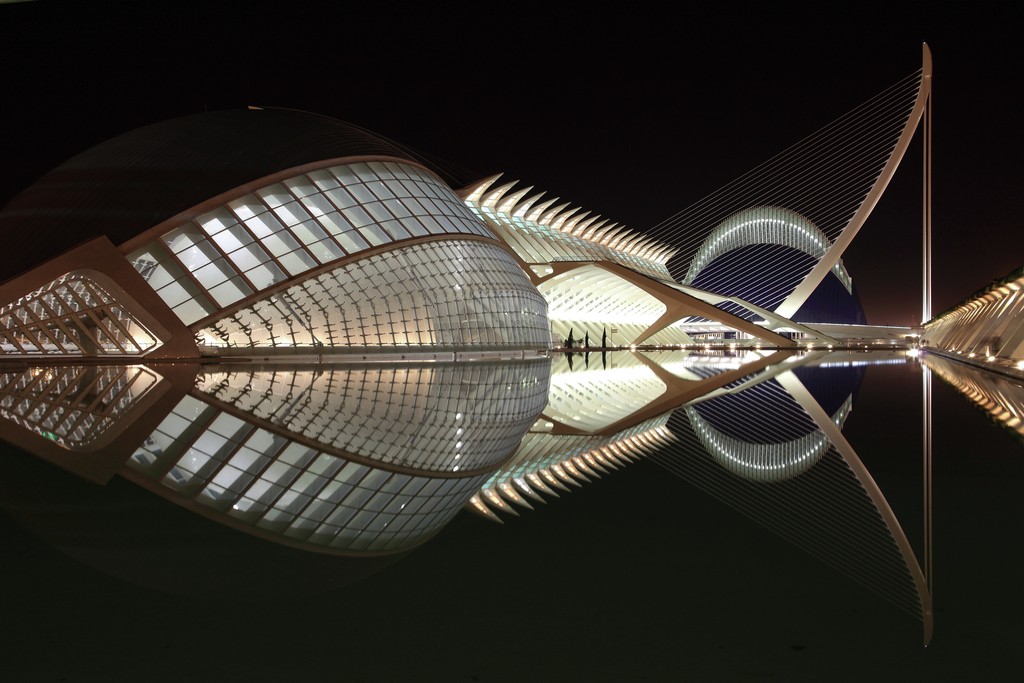
Early in the morning, light filters through the glass of the Central Market and falls across fruit, fish, cured ham and spice stalls. A few streets away, the stonework of the Silk Exchange recalls the years when Valencia traded across the Mediterranean. Then come the trees of the old Turia riverbed and, almost without warning, the white curves of the City of Arts and Sciences.
And the sea is still waiting.
Valencia has a quality that is particularly valuable on a short city break: there is a great deal to see, but the city rarely feels exhausting. The historic centre is easy to explore on foot, the Turia Gardens connect large parts of the city, and neighbourhoods such as Ruzafa and Cabanyal can completely change the mood of the day within just a few kilometres.
Whether you have one day, a weekend or three full days, you can build a realistic Valencia itinerary without reducing the city to a rushed checklist. This guide explains what to see and do in Valencia in 1, 2 or 3 days, how to group the main sights, and where to leave enough space for one of Valencia's greatest pleasures: simply enjoying where you are.
Three days, three ways to experience the city
History and the future
Central Market → Silk Exchange → Cathedral → Plaza de la Virgen → El Carmen → Serranos Towers → Turia Gardens → City of Arts and Sciences.
Neighbourhoods and the Mediterranean
Ruzafa → Colón Market → Cabanyal → beach → Marina de València.
Water and rice
L'Albufera → El Palmar → boat ride → sunset.
Things to Do in Valencia in 1 Day
If you only have one day in Valencia, the most practical itinerary combines the Old Town in the morning, the Turia Gardens in the afternoon and the City of Arts and Sciences towards the end of the day.
You could technically add the beach, the Oceanogràfic and L'Albufera on the same day. Enjoying them would be another matter. Valencia rewards people who walk more than people who rush.
09:00 · Central Market: start where the city wakes up
There are few better ways to enter a city than through its market.
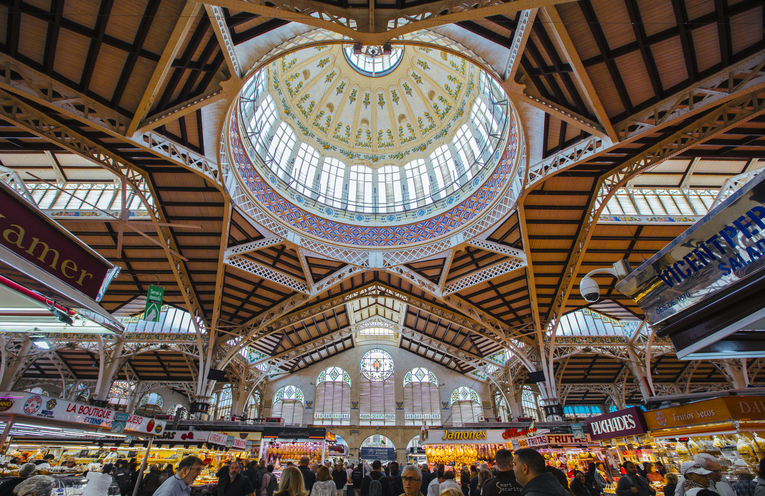
Early in the morning, while many cafés in the centre are still setting out their tables, Valencia Central Market (Mercado Central) is already fully awake. Produce from the Valencian huerta, fish, cheese, cured meats, spices, nuts and conversation fill one of the city's most recognisable Modernist buildings.
The market's main activity takes place in the morning from Monday to Saturday, so it makes sense to place it at the beginning of your route rather than save it for later.
But do not come only to shop. Look up. Iron, ceramics, stained glass and large domes make the building part of the experience. Markets are still among the most honest places to begin understanding a city, and Valencia is no exception.
10:00 · The Silk Exchange: when Valencia looked out to the Mediterranean
Leave the market and you only need to cross a few metres. Opposite stands the Silk Exchange (Lonja de la Seda), one of Valencia's most important historic buildings and a UNESCO World Heritage Site.
Its architecture tells the story of a city that once occupied a privileged position on Mediterranean trade routes. Inside, the Column Hall changes the scale completely, with twisting stone columns rising towards the vaulted ceiling like a forest.
It is elegant, monumental and unexpectedly calm — the kind of building that can explain part of a city's history without needing many words.
11:00 · Ciutat Vella: put the map away for half an hour
At this point, it is worth doing something unusual in a travel guide: stop following the guide.
Walk through Plaza Redonda. Turn down a street simply because it looks interesting. Look into a courtyard. Step inside a small shop. Notice the façades.
Ciutat Vella, Valencia's Old Town, contains many of the city's essential sights, but part of its appeal lies in the places that do not appear with a star on a map.
Valencia makes sense on foot. Its historic centre makes even more sense that way.
11:45 · Valencia Cathedral, El Miguelete and Plaza de la Virgen
Sooner or later, you will arrive at Valencia Cathedral. A few steps later comes one of the great urban spaces in the city: Plaza de la Virgen.
The Cathedral, the Basilica of Our Lady of the Forsaken and the Palau de la Generalitat surround a square that has been at the religious and civic heart of Valencia for centuries.
If you want to see the city from above, climb El Miguelete, the Cathedral's bell tower. There are plenty of steps. The reward is at the top, where the rooftops of Ciutat Vella form one of the best views over the historic centre.
13:00 · El Carmen and the Serranos Towers
From Plaza de la Virgen, continue towards El Carmen. Valencia becomes slightly less formal here.
Narrow streets, street art, small shops, terraces, historic palaces and fragments of old city walls sit within a few blocks of one another. You do not need an exact route. El Carmen is better when you allow a street or two to take you slightly off course.
Finish the walk at the Serranos Towers (Torres de Serranos), one of the monumental gates of the medieval city. Then it is time to address a serious matter: lunch.
What to Eat in Valencia on a First Visit
14:00 · Lunch is part of the itinerary
Valencian food is much broader than paella, although a good paella remains one of the experiences worth seeking out on a first visit.
Valencia is shaped by rice, the huerta and the Mediterranean. You will find dry and creamy rice dishes, esgarraet, titaina, seasonal clóchinas and a food culture that still has a strong relationship with local produce.
Then there is the esmorzaret, the substantial mid-morning meal that may include an appetiser, a generous sandwich, a drink and coffee — and which Valencians take seriously enough to deserve a category of its own.
One simple paella tip: choose the restaurant before you become hungry. A terrace beside a monument is a location. It is not automatically a restaurant recommendation.

What to Do in Valencia in the Afternoon
16:00 · Turia Gardens: walk through a former riverbed
The Turia Gardens are one of the best places to walk or cycle in Valencia, linking the historic centre with the City of Arts and Sciences.
The former course of the Turia River has been transformed into a long green corridor of gardens, bridges, sports areas and paths running through much of the city.
For a first-time visitor, it has another major advantage: you can move from one part of Valencia to another without feeling that you are simply spending time in transit. Here, the journey is part of the visit.
17:30 · City of Arts and Sciences
And then, near the end of the Turia Gardens, Valencia changes again.
After the stone of the historic centre and the green of the former riverbed come white surfaces, glass, water and buildings that seem to belong to another city.
The City of Arts and Sciences is the defining image of contemporary Valencia. The complex includes the Hemisfèric, Museu de les Ciències, Palau de les Arts and Oceanogràfic, among other spaces.
Even if you do not plan to go inside, walking through the complex is worthwhile. Cross the footbridges. Walk around the buildings. Change your angle. Watch the reflections on the water.
Is the Oceanogràfic worth visiting if you only have one day?
Yes, the Oceanogràfic is worth visiting, but we would not include it in a one-day Valencia itinerary.
The reason is simple: it deserves several hours. Combining it with the Central Market, Cathedral, El Carmen and the rest of the city would force you to sacrifice the very thing that makes Valencia pleasant to explore — its pace. With two or three days, it fits much better.
Things to Do in Valencia in 2 Days
On your second day in Valencia, move away from the monument-heavy route and spend time in Ruzafa, Cabanyal, the beach and the Marina.
Day one introduced the Valencia that appears on postcards. Day two is about the city that lives around it.
09:30 · Ruzafa: start more slowly
Ruzafa — Russafa in Valencian — is one of the neighbourhoods most closely associated with contemporary Valencia, but its appeal does not depend on one major monument.
It lies in the mix: cafés, bakeries, a local market, restaurants, independent shops and residential streets where everyday city life remains visible.
Come for breakfast. Order coffee. Walk. Not everything needs an entrance ticket or an opening time.
11:00 · Colón Market and Ensanche
From Ruzafa, walk towards Colón Market (Mercado de Colón). It is another important Modernist building, although its current character is very different from the Central Market: more social and gastronomic, in one of Valencia's most elegant urban districts.
From here, continue through Ensanche or begin making your way towards the Mediterranean.
How to Get from Valencia City Centre to the Beach
You can reach Valencia's beach from the city centre by public transport, taxi or bicycle. Cycling is particularly convenient because it can link the centre, Turia Gardens, City of Arts and Sciences and the seafront in one continuous route.
If you have rented a bike, this is an excellent part of the itinerary to use it. The city changes around you without the journey ever feeling separate from the sightseeing.

13:00 · Cabanyal: do not just pass through
Do not use Cabanyal-Canyamelar simply as a corridor to the beach. Stop.
The former fishing neighbourhood has a distinctive architectural character: low-rise houses, narrow façades and colourful ceramic tiles.
Restaurants, cultural projects and small independent businesses have joined the neighbourhood in recent years, but Cabanyal still feels completely different from the historic centre.
After medieval Valencia and futuristic Valencia comes a third city: the one that has always looked towards the sea.
14:00 · Rice by the Mediterranean
If you want to make one lunch during the trip feel particularly Valencian, this is a good time.
Rice and the sea are too deeply connected here for paella to be treated simply as something to tick off a list.
Choose a restaurant that specialises in rice. Book if necessary. Sit down. And give lunch something Valencia understands very well: time.
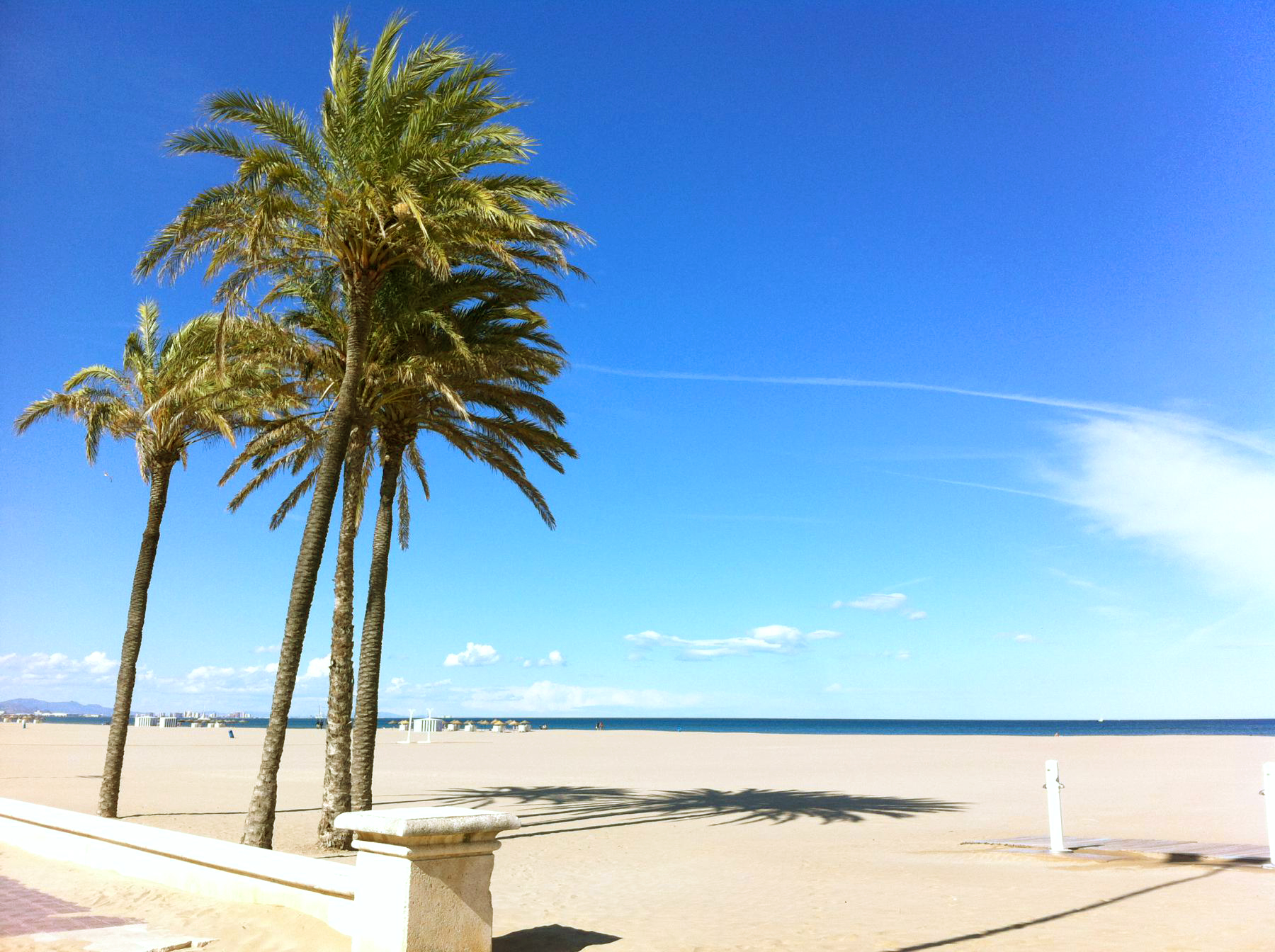
16:30 · Cabanyal Beach and Malvarrosa
Valencia's urban beaches allow you to combine sightseeing with a few hours beside the Mediterranean without leaving the city.
Cabanyal Beach and Malvarrosa offer broad stretches of sand, a long promenade and enough open space to make the second half of the day intentionally slower.
You do not need to do anything particularly ambitious. In summer, it also makes sense to save longer walks for the morning or late afternoon. The Mediterranean will still be there when the sun is lower.
19:00 · Marina de València
Finish the day at the Marina de València. The horizon opens up. Narrow streets disappear. Boats, terraces, contemporary architecture and the port take their place.
Stay until the light changes.
Some cities become more interesting the more attractions you try to fit in. Valencia often becomes better at precisely the moment you stop trying.
Things to Do in Valencia in 3 Days: L'Albufera and El Palmar
If you have three days in Valencia, one of the best excursions is to L'Albufera Natural Park and El Palmar, south of the city.
You do not have to travel far for the landscape to change completely. Streets, buildings and traffic disappear; rice fields, canals, birds, vegetation and a wide sheet of water take over.

L'Albufera: leave Valencia to understand Valencia
L'Albufera offers something you will not encounter during the first two days: silence.
Not complete silence, of course, but the kind of calm that feels much stronger after two days spent walking through a city.
The journey changes speed here. It suits Valencia well.
El Palmar: where rice returns to its landscape
El Palmar is one of the best-known villages in L'Albufera and has long been associated with fishing and rice cultivation.
It is also one of the classic places to sit down to paella or another Valencian rice dish. And something changes when you eat it here: rice stops being merely a famous dish. You can see the water, fields and landscape behind it.
The food gains context.
Take a boat trip on L'Albufera
One of the traditional ways to experience L'Albufera is from a small boat on the lagoon.
Do not expect adrenaline. The appeal is exactly the opposite: water, reeds, birds and slow movement that makes you lower your pace almost automatically.
Sometimes forty minutes without needing to get anywhere can be a very good travel experience.
Sunset at L'Albufera
Sunset is one of the best times to experience L'Albufera.
As the sun drops, the water takes on gold and red tones and the landscape seems to flatten into silhouettes.
Take the photograph. Then put the phone away.
Things to Do on Day 3 Without Leaving Valencia
If you would rather stay in the city, use the third day for the Oceanogràfic, museums or a slower return to the Turia Gardens and the neighbourhoods you liked most.
The Oceanogràfic can easily take several hours. You could also visit the Museum of Fine Arts, IVAM or Centre del Carme.
Or choose something even simpler: hire a bike and ride through the Turia Gardens without a particularly precise destination.
By day three, you can afford the luxury of not constantly “visiting Valencia”. You can begin simply being in Valencia.
How to Get Around Valencia
Can you explore Valencia on foot?
Yes. The main sights in Valencia's historic centre are easy to visit on foot.
Central Market, the Silk Exchange, Valencia Cathedral, Plaza de la Virgen, El Carmen and Serranos Towers are close enough to form a comfortable walking route.
For the City of Arts and Sciences, Cabanyal, the Marina or the beach, combine walking with bus, Metrovalencia, tram, taxi or bicycle. Valencia is also particularly convenient for cycling because of its relatively flat terrain and extensive bike infrastructure.
How to Get from Valencia Airport to the City Centre
Valencia Airport is connected directly with the city by Metrovalencia lines 3 and 5. Metrobus line 150 also connects the airport with Valencia city centre, and taxis are available.
Lines 3 and 5 serve different parts of Valencia, making the metro one of the simplest options for many visitors. Line 5 also continues towards the port area.
Transport timetables can change, so check the latest information before travelling, particularly for early-morning or late-night arrivals.
How to Get to Valencia by Train: Valencia Nord and Joaquín Sorolla
Two railway stations appear frequently in Valencia travel plans: Valencia Nord Station (Estación del Norte) and Valencia Joaquín Sorolla.
Valencia Nord has one exceptional advantage: it is right in the city centre. Plaza del Ayuntamiento is only a few minutes away on foot, and the historic centre begins almost outside the station.
Joaquín Sorolla handles many high-speed and long-distance services and is also close to central Valencia.
This is where one of the small problems often missing from travel guides appears: train times and hotel check-in times rarely seem to have spoken to each other.
What to Do with Luggage Before Check-in in Valencia
If you arrive in Valencia before hotel check-in, or have several hours after check-out, luggage storage lets you use that time to explore the city without carrying your bags.
Imagine your train arrives at 09:30 and your apartment is not available until 15:00. That gives you five and a half hours — effectively an entire morning in Valencia.
Walking around the Central Market with a suitcase, pulling it through Ciutat Vella or trying to find somewhere to place it every time you enter a café changes the experience considerably.
The same applies on your final day. If check-out is at 11:00 and your train leaves at 19:00, you still have eight hours in the city.
Those are not waiting hours. They are still travel hours.
Traditional Food and Drinks to Try in Valencia
Valencian paella
Paella is Valencia's best-known dish and one of the foods that has collected the greatest number of interpretations outside its place of origin.
If you want to try a good one, choose a restaurant that specialises in rice dishes and book if necessary. A good paella takes time. So should you.
Horchata and fartons
Tiger-nut horchata is another Valencian classic. Served cold with fartons, it is particularly welcome during warmer months.
If you have more time, nearby Alboraya is closely associated with the cultivation of chufa and the tradition of horchata.
Esmorzaret
The Valencian esmorzaret proves that a sandwich can become a cultural institution.
Taken in the middle of the morning, it traditionally may include an appetiser, a substantial sandwich, a drink and coffee. Light is not quite the word. Memorable can be.
Agua de València
Cava, orange juice and spirits come together in one of the drinks most closely associated with the city. The name sounds reassuring. Do not rely too heavily on the name.
Best Time to Visit Valencia
Spring
Spring is one of the best seasons for exploring Valencia on foot or by bike. March comes with one important exception: Las Fallas.
During the festival, the city changes completely. Fallas monuments, fireworks, music and packed streets create an extraordinary experience, but one very different from a quiet city break. Book accommodation and transport well in advance.
Summer
Summer makes it easy to combine the city and the Mediterranean. It also brings heat.
Plan longer walks for the morning, use the hottest part of the day for lunch, rest or indoor visits, and return to the streets when the sun begins to fall.
Autumn
Autumn can be particularly good for a city break. Valencia retains a strong outdoor culture while temperatures are often more comfortable for walking and cycling.
Winter
Valencia also works very well outside the traditional summer season. Culture, food, neighbourhoods and the Mediterranean do not necessarily require a beach towel.
Frequently Asked Questions About Visiting Valencia
How many days do you need in Valencia?
Two or three days is ideal for a first visit to Valencia. In two days, you can explore the historic centre, Turia Gardens, City of Arts and Sciences, Ruzafa, Cabanyal and the beach. A third day gives you time for L'Albufera, the Oceanogràfic or additional museums and neighbourhoods.
What should you see in Valencia in one day?
Spend the morning at the Central Market, Silk Exchange, Valencia Cathedral, Plaza de la Virgen, El Carmen and Serranos Towers. In the afternoon, follow the Turia Gardens and finish at the City of Arts and Sciences.
What should you do in Valencia in two days?
Use the second day for Ruzafa, Colón Market, Cabanyal, the beach and Marina de València. A bicycle is one of the easiest ways to connect several of these areas.
What should you do in Valencia in three days?
With three days, add L'Albufera and El Palmar. If you prefer to remain in the city, dedicate the third day to the Oceanogràfic, museums or a slower cycle through the Turia Gardens.
Which area of Valencia is essential for a first visit?
Ciutat Vella, Valencia's Old Town, is the essential starting point. It includes the Central Market, Silk Exchange, Cathedral, Plaza de la Virgen, El Carmen and several of the city's major historic sights.
Is Valencia a good city for cycling?
Yes. Valencia is relatively flat and has an extensive network of cycle lanes. The Turia Gardens are also one of the easiest and most enjoyable ways to cross the city by bike.
Where can I book a bike tour in Valencia?
Bikes & Tours Valencia offers guided bike tours and city bike/e-bike rentals from Ruzafa. Its Valencia Bike Tour: Top 25 Highlights takes about 2.5 hours and covers the historic centre, Turia Gardens and City of Arts and Sciences. You can book directly using the link in this guide.
Where can I store luggage near Valencia Nord Station?
DROP&WALK Locker Valencia is at C/ de Sant Vicent Màrtir, 51, close to Valencia Nord Station and Plaza del Ayuntamiento. The automatic luggage storage service offers 24/7 access and online booking.
How do you get from Valencia Airport to the city centre?
Metrovalencia lines 3 and 5 connect Valencia Airport with the city. Metrobus line 150 also links the airport with Valencia city centre, and taxis are available.
Can you explore central Valencia on foot?
Yes. Ciutat Vella and much of central Valencia are easy to explore on foot. For the beach, Marina and more distant areas, combine walking with bicycle or public transport.
Practical sources consulted
- Visit València — official tourism information on the historic centre, monuments, neighbourhoods, the Turia Gardens and L'Albufera.
- Aena · Metro — Valencia Airport connections via Metrovalencia lines 3 and 5.
- Aena · Bus — Metrobus line 150 between Valencia Airport and the city.
- Bikes & Tours Valencia — Valencia Bike Tour: Top 25 Highlights and tour details.