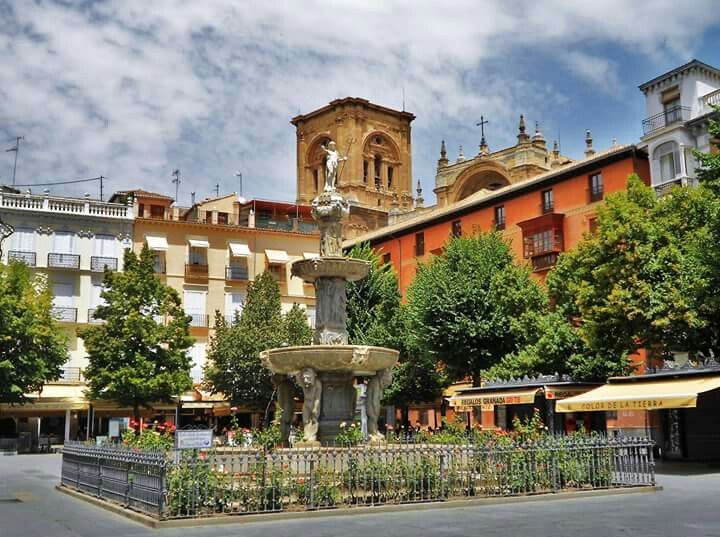
Secret Granada: 10 Hidden Places Most Tourists Miss


Secret Granada: 10 Hidden Places Most Tourists Miss
Quiet viewpoints, Nasrid houses, hidden gardens and historic corners beyond Granada’s most famous sights.
Updated: 28 October 2026
The Alhambra, the Albaicín and Mirador de San Nicolás deserve their fame. But Granada changes completely when you move just a few streets away from the standard tourist route.
Behind an unassuming doorway you may find a Nasrid courtyard. At the end of a steep lane there might be a viewpoint with hardly anyone around. And only minutes from some of Granada’s busiest attractions are gardens, historic houses and small museums that many visitors never discover.
These ten places offer a different way to experience Granada. They are not secrets to locals, but they are often overlooked by first-time visitors who focus only on the city’s headline attractions.
Map of Secret Granada
Start at DROP&WALK Locker Granada, leave your luggage behind and continue on foot through some of the city’s lesser-known corners.
0. DROP&WALK Locker Granada → City Centre → Realejo → Alhambra surroundings → Albaicín → Sacromonte
Leave your luggage first at C. Montereros, 3 and continue on foot. You do not need to visit all ten places in one day: use this selection to build your own Secret Granada route.
1. Casa de los Pisa: a museum many visitors walk straight past
Just off Plaza Nueva, close to one of the natural gateways into the Albaicín, stands Casa de los Pisa.
The building is closely connected to Saint John of God, who died here in 1550, and today it houses a museum with historic rooms, a peaceful courtyard, paintings and religious art.
The surprising part is that thousands of people pass through Plaza Nueva and Carrera del Darro every day without making the short detour to step inside.
Why go: for the courtyard, the calm atmosphere and a chance to understand Granada beyond its biggest monuments.
2. Cuarto Real de Santo Domingo: Granada before the Alhambra
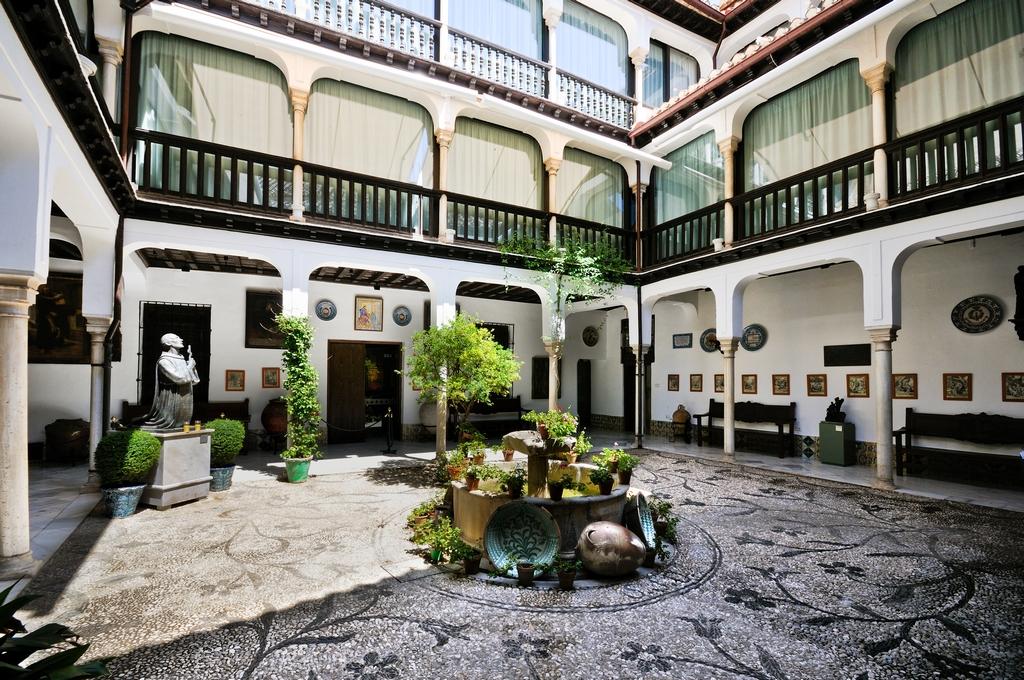
Hidden in the Realejo is one of the most interesting places for understanding Nasrid architecture.
The Cuarto Real de Santo Domingo was built in the 13th century and predates much of the Alhambra’s palace architecture. Its large qubba and decoration show architectural ideas that would later appear in the Alhambra complex.
It is compact, peaceful and easy to include in a walk through central Granada.
Why go: because it offers a glimpse of Nasrid Granada without the crowds of the Alhambra.
3. Casa de los Girones: a hidden palace-house in Realejo
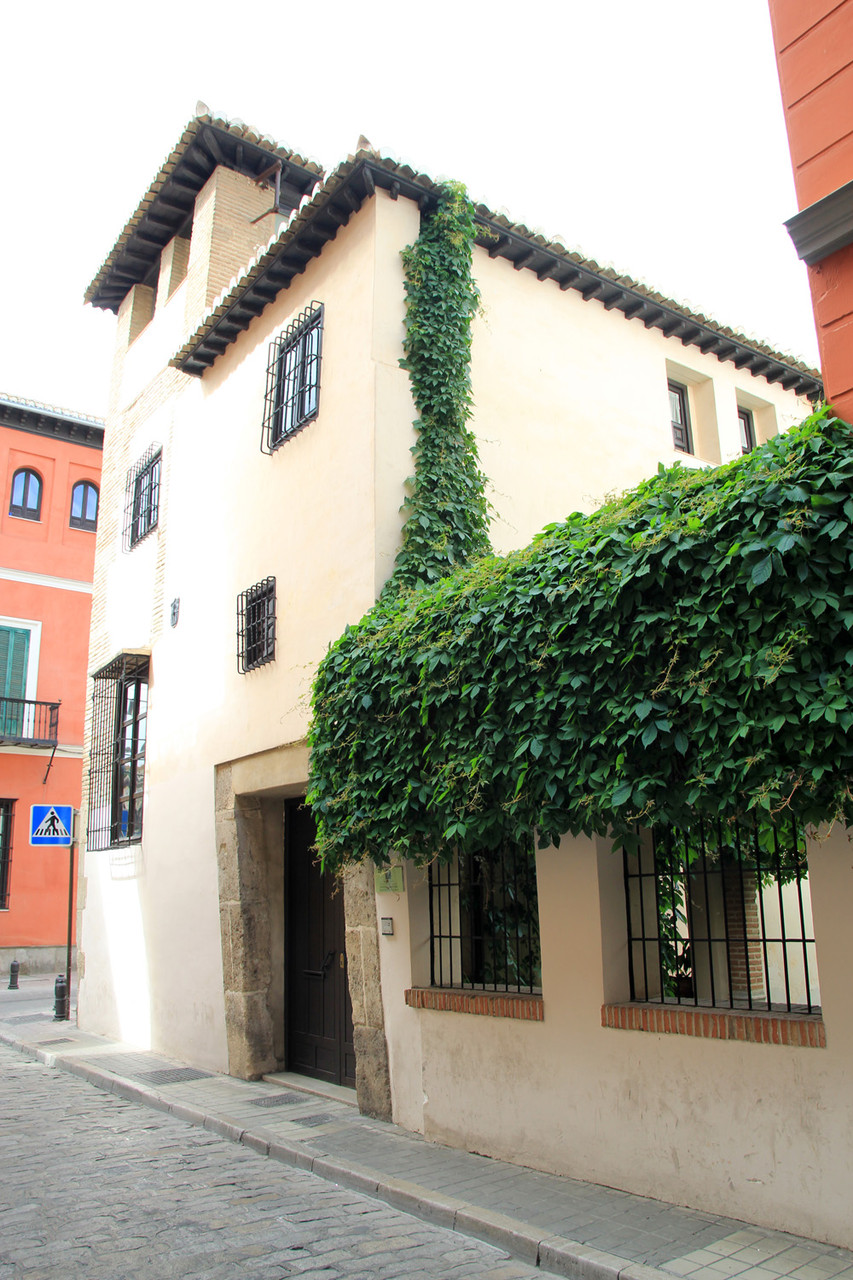
A short distance from the Cuarto Real is another place that rarely appears near the top of a typical Granada guide: Casa de los Girones.
The building preserves elements of a former Hispano-Muslim house that was later transformed into a noble residence. Its courtyard, plasterwork and architectural details from different periods reflect the changing history of Realejo.
Why go: because it shows how Granada evolved after the Muslim period.
4. Carmen de los Mártires: hidden gardens beside the Alhambra
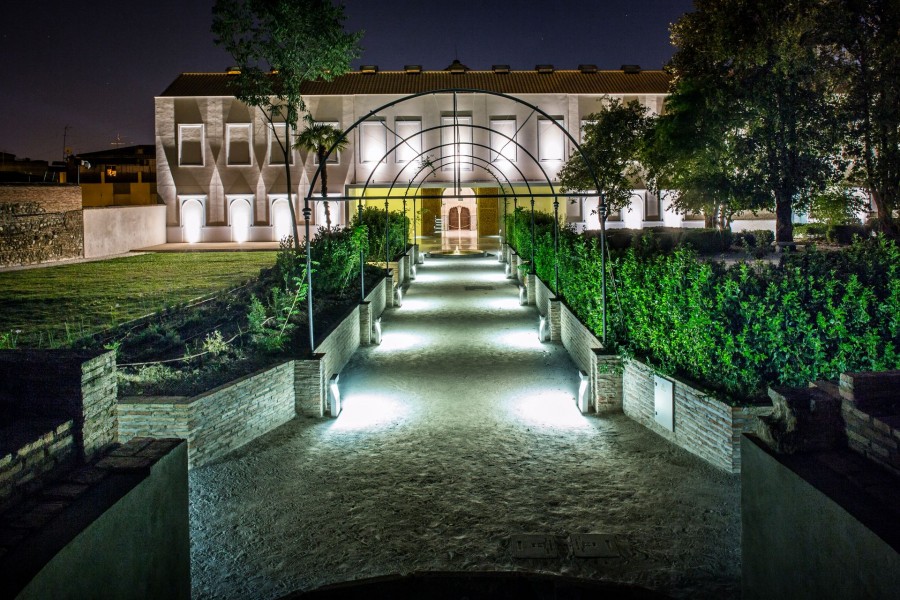
Being this close to the Alhambra while still feeling relatively peaceful is already a good reason to visit.
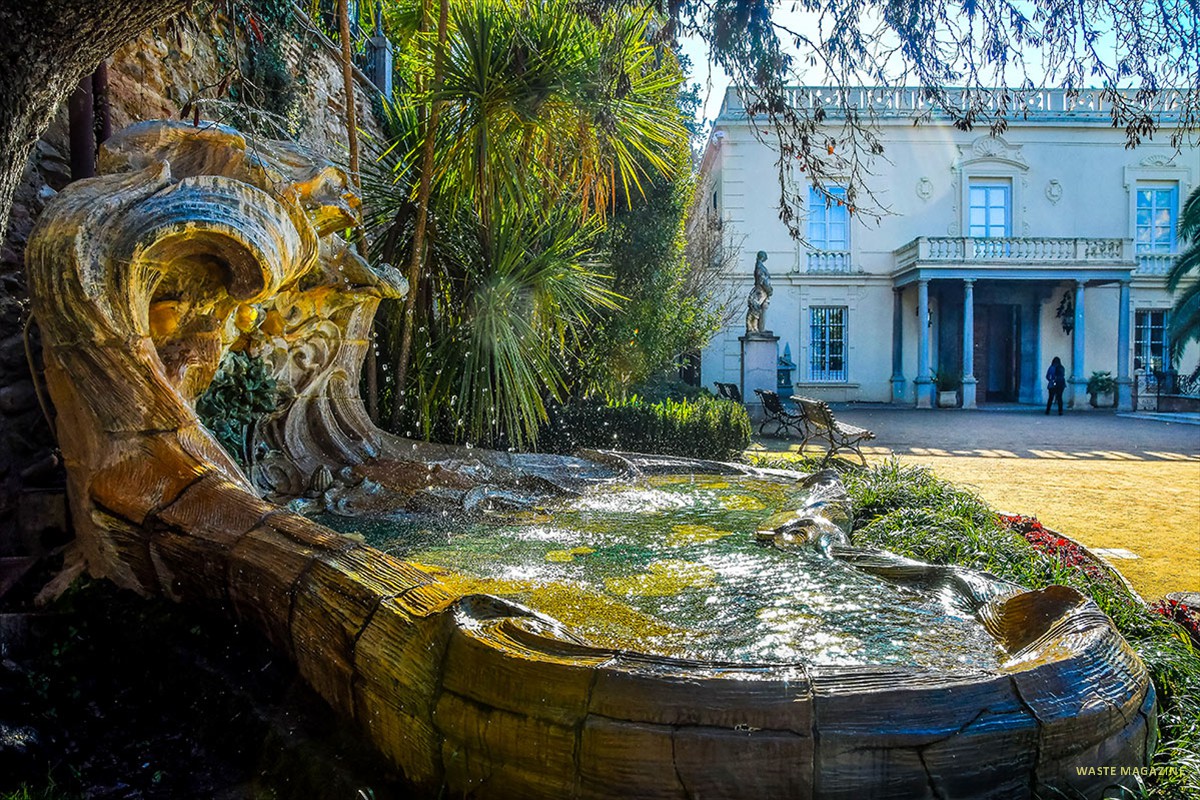
Carmen de los Mártires combines French and English-style gardens, palm trees, fountains, small ponds and spaces inspired by Granada’s Nasrid heritage.
Many visitors head straight to the Alhambra and return to the city centre without making the short detour here.
Why go: for the gardens, views and the feeling of being away from the city even though you are still close to the centre.
5. Fundación Rodríguez-Acosta: one of Granada’s most surprising gardens
Very close to Carmen de los Mártires is one of the city’s most unusual cultural spaces.
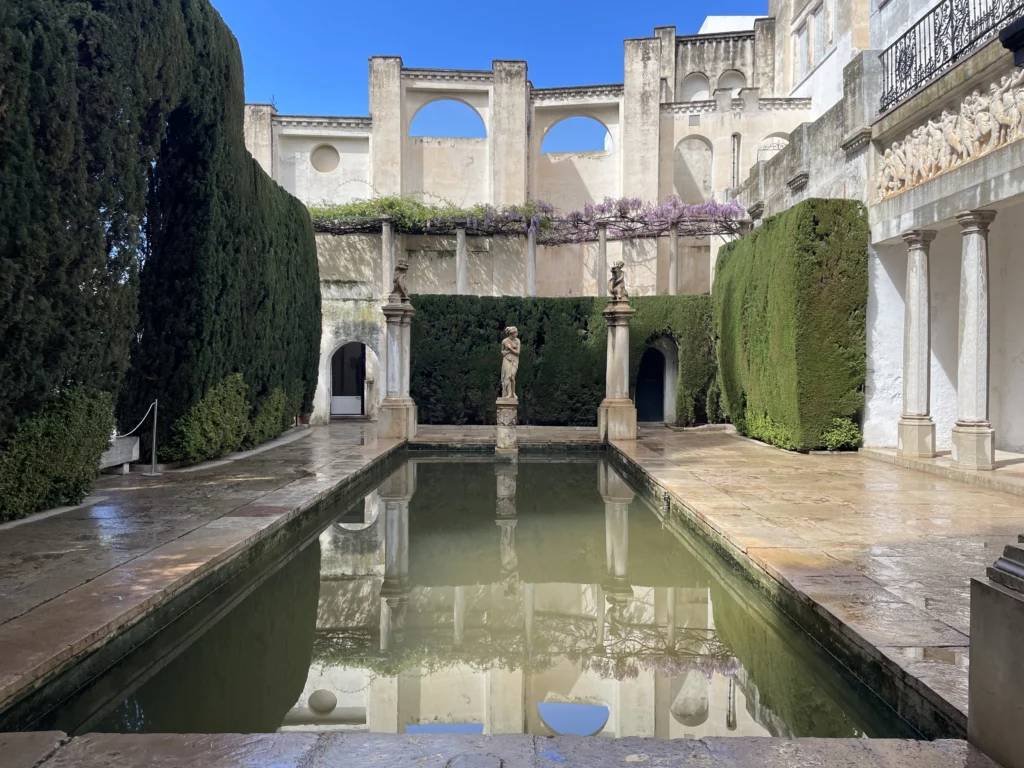
Fundación Rodríguez-Acosta occupies the carmen created by Granada-born painter José María Rodríguez-Acosta. Architecture, gardens, passageways, sculptures and art collections come together in a place unlike almost any other monument in the city.
Why go: for its eclectic architecture and a completely different perspective on Granada.
Granada is a city of hills. If you plan to combine Realejo, Albaicín and Sacromonte in one day, wear comfortable shoes and do not turn this route into a race.
6. Mirador de la Churra: one of Granada’s best-kept viewpoints
Granada’s official tourism site describes this as one of the city’s least-known viewpoints.
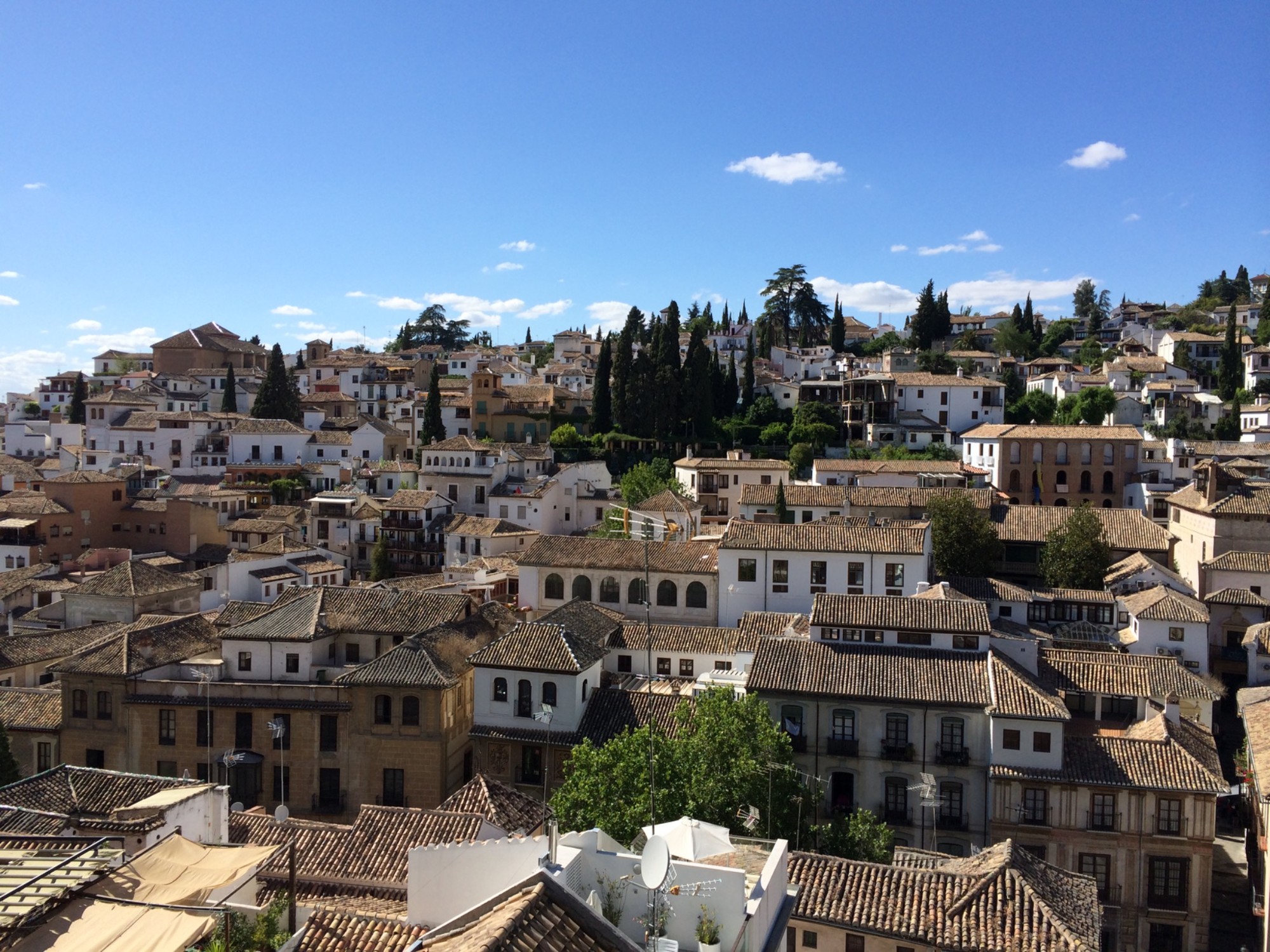
It sits at the end of Calle Almanzora Alta, in the small Churra neighbourhood at the foot of the Alhambra hill.
This is not the classic Alhambra panorama you get from San Nicolás. Instead, the viewpoint looks towards the Albaicín and reveals a different relationship between Granada’s hills.
Why go: for the quiet streets, peaceful atmosphere and a perspective many visitors never see.
7. Casa de Zafra: a Nasrid house hidden in the Albaicín
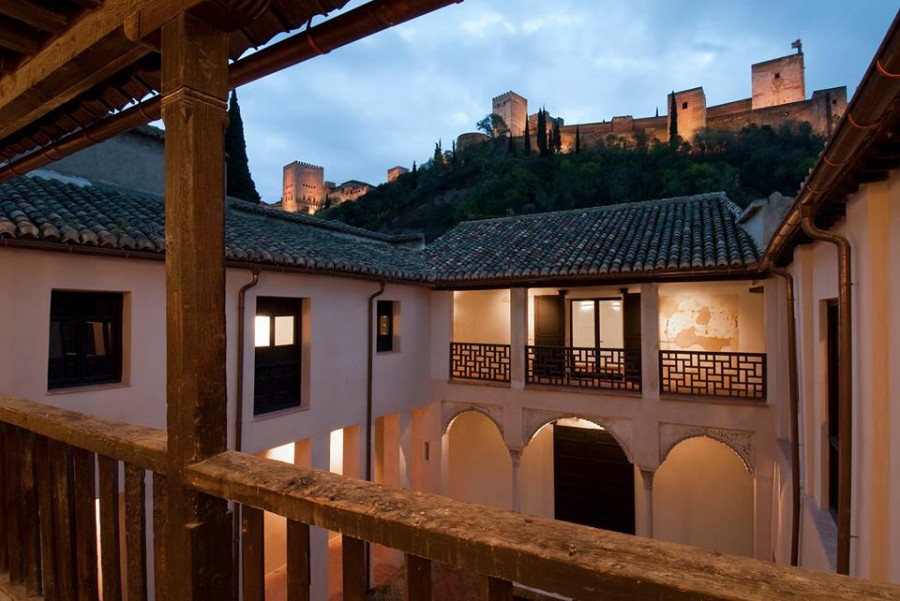
Casa de Zafra is one of Granada’s best-preserved examples of Nasrid domestic architecture.
Dating from the 14th and 15th centuries, it preserves original wall paintings and now also serves as an interpretation centre for the Albaicín.
Its intimate scale is part of the appeal. This is not a grand palace, but a historic home that helps you imagine what everyday life in the neighbourhood may have looked like centuries ago.
Why go: to understand the Albaicín from inside a historic house rather than only through its streets and viewpoints.
8. Mirador de Carvajales: a more intimate view of the Alhambra
Hidden among the lanes of the lower Albaicín is Placeta de Carvajales.
Trees, a long fountain and stone benches create a much calmer atmosphere than Granada’s more famous viewpoints.
From here you get an especially good view of Torre de la Vela and part of the Alhambra.
Why go: if you want to enjoy the Alhambra without the viewpoint itself feeling like a major tourist attraction.
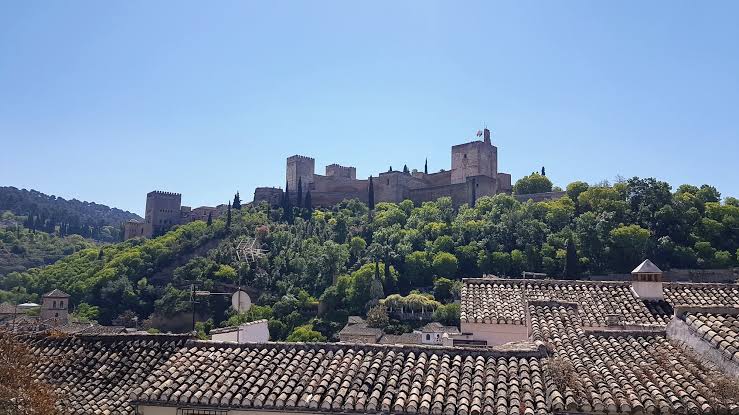
9. Monasterio de la Concepción: behind the walls of the Albaicín
Close to Carrera del Darro is this monastery founded in the early 16th century.
It fits perfectly with the idea of Secret Granada: a historic building woven into the urban maze of the Albaicín that many visitors pass without knowing what lies inside.
Why go: to discover another layer of Granada’s history away from the major tourist circuits.
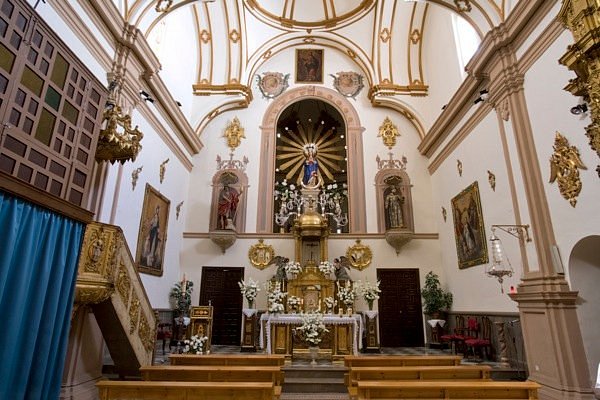
10. Abadía del Sacromonte: keep walking when everyone else turns back
Many visitors reach the caves and flamenco venues of Sacromonte and end their route there.
But if you continue along Camino del Sacromonte, you eventually reach the Abbey on Monte Valparaíso.
The complex includes the Holy Caves and is closely connected to Granada’s religious history. The surrounding area also offers impressive views towards the Alhambra, Albaicín and the Darro valley.
Why go: because the walk is part of the experience and the final stop feels far removed from central Granada.
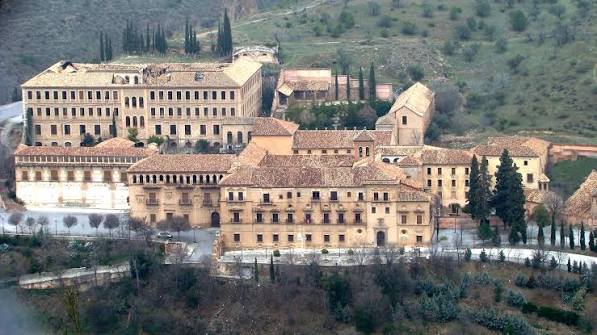
Can you visit all 10 places in one day?
Technically, you could pass through many of them in a single day, but rushing would defeat the point.
For one part of the day, combine the city centre and Realejo. Later, explore Casa de Zafra, Carvajales and the quieter corners of the Albaicín. If you have more time, continue into Sacromonte.
DROP&WALK Locker Granada → Cuarto Real → Casa de los Pisa → Mirador de la Churra → Casa de Zafra → Mirador de Carvajales
Long route:
Add Carmen de los Mártires and Fundación Rodríguez-Acosta, then finish at Abadía del Sacromonte.
First, leave the suitcase behind
The streets of the Albaicín, Realejo and Sacromonte are exactly the parts of Granada where you do not want to drag a suitcase up and down the hills.
If you arrive before check-in or have already left your accommodation, DROP&WALK Locker Granada is at C. Montereros, 3, Centro, 18002 Granada, beside Plaza Bib-Rambla.
From there, you can start exploring on foot and return for your luggage only when you actually need it.
Discover the Granada most visitors miss
Book at DROP&WALK Locker Granada and use promotional code:
Store your luggage and explore Granada hands-free.
Some monuments have limited opening hours, guided-visit schedules or weekly closing days. Always check current official opening information before planning your route.